Pharmacogenomics — CIA II Master Pack
SASTRA Deemed University · School of Chemical & Biotechnology · B.Tech Bioinformatics, Sem 7
Course BIN317 · Pharmacogenomics · CIA II · built to score 50/50
How to score 50/50 read first
The paper is fixed in shape — last year's CIA II (Sep 2025) and your syllabus portion match exactly. Prepare to this blueprint:
| Part | Rule | Marks | What it tests |
|---|---|---|---|
| Part A | Answer ALL 10 | 2 × 10 = 20 | One-line facts: enzyme names, genes, definitions, "differentiate", numeric one-liners |
| Part B | Answer ANY 2 of 3 | 15 × 2 = 30 | Long answers with sub-parts — usually one numerical (5) + theory (10), or a 5+5+5 essay |
note Flowchart diagrams below render with an online library (Mermaid). If you are offline, the coloured image diagrams and all text/tables still work — the gallery at the end has every figure.
1 · Endothelial cells, Hydroxyurea & Sickle Cell Disease Part B fav
Core notes
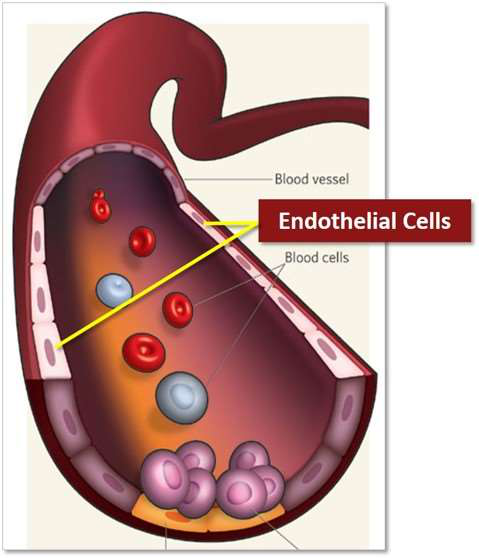
- Endothelial cells form a single layer lining all blood vessels; regulate exchange between blood and tissue and signal growth of surrounding vessel-wall cells. In SCD they become activated & adhesive, promoting vaso-occlusion — so they are a drug target.
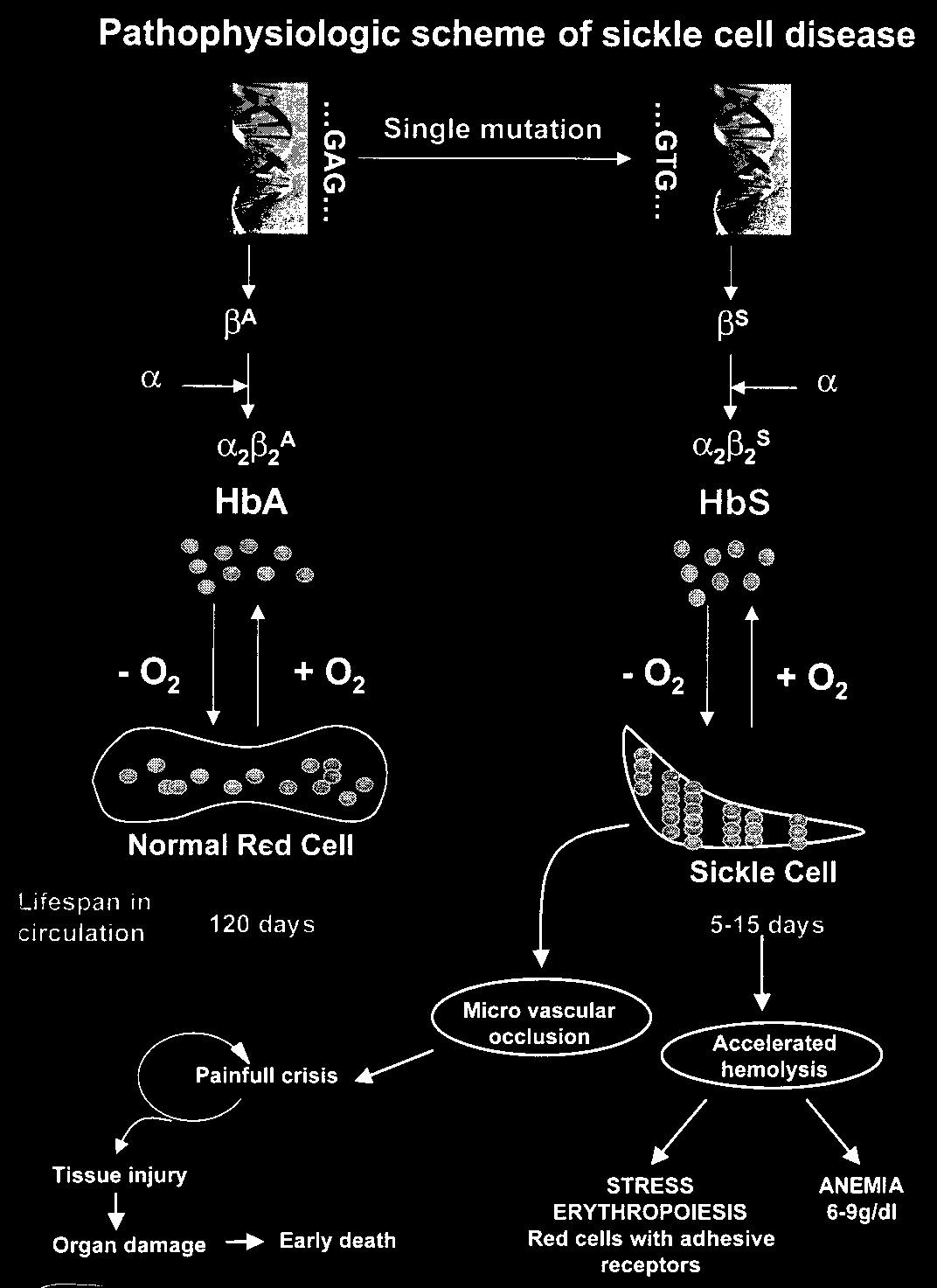
- Sickle cell disease (SCD) is caused by HbS: a point mutation β6 Glu → Val (glutamic acid→valine at position 6 of the β-globin chain). Deoxygenated HbS polymerises → RBCs sickle → haemolysis + vaso-occlusion.
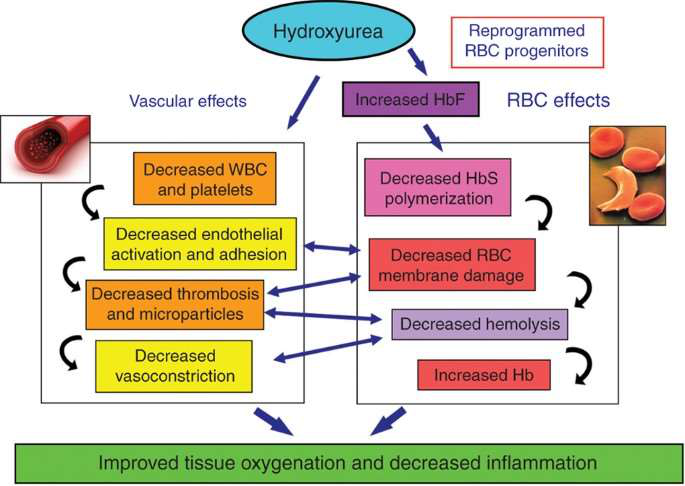
- Hydroxyurea (HU) = hydroxylated derivative of urea. Inhibitor of ribonucleotide reductase (rate-limiting enzyme converting ribonucleotides → deoxyribonucleotides) → blocks DNA synthesis → S-phase-specific cytotoxic; inhibition is reversible.
- HU is freely water-soluble, crosses membranes by passive diffusion, near-complete oral bioavailability; biotransformed to urea by a hepatic P450 (CYP) monooxygenase; eliminated renally & non-renally.
- Induces HbF by reactivating γ-globin genes → HbF inhibits HbS polymerisation → less sickling.
- ↓ Reticulocytes & ↓ WBC/platelets → lowers overall HbS burden and adhesion.
- Anti-inflammatory → ↓ adhesion molecules → fewer vaso-occlusive crises.
- ↑ RBC deformability → better blood flow & oxygen delivery.
Flowchart — Sickle-cell pathophysiology
flowchart TD
  A["β6 Glu → Val point mutation (HBB gene)"] --> B["Abnormal Hemoglobin S (HbS)"]
  B --> C{Deoxygenation / low O2}
  C -->|yes| D["HbS polymerises"]
  D --> E["RBC sickles (rigid, crescent)"]
  E --> F["Endothelial activation & adhesion"]
  E --> G["Haemolysis"]
  F --> H["Vaso-occlusion"]
  H --> I["Pain crises, organ / tissue damage"]
  G --> J["Chronic haemolytic anaemia"]
Flowchart — Hydroxyurea mechanism of action
flowchart TD
  HU["Hydroxyurea (S-phase specific)"] --> RR["Inhibits ribonucleotide reductase (reversible)"]
  RR --> DNA["Blocks DNA synthesis"]
  HU --> GAMMA["Reactivates γ-globin genes"]
  GAMMA --> HBF["↑ Fetal Hb (HbF)"]
  HBF --> POLY["↓ HbS polymerisation → ↓ sickling"]
  HU --> RETIC["↓ Reticulocytes, WBC, platelets"]
  HU --> ANTI["Anti-inflammatory: ↓ adhesion molecules"]
  ANTI --> VOC["↓ Vaso-occlusive crises"]
  POLY --> OUT["Improved blood flow & O2 delivery"]
  RETIC --> OUT
  VOC --> OUT
Hemoglobin types Part A: "differentiate HbA vs HbF"
| Type | Globin chains | Adult % | Note |
|---|---|---|---|
| HbA | α2β2 | 97–98% | Main adult Hb; carries O2 |
| HbA2 | α2δ2 | 2–3% | Minor/compensatory |
| HbF | α2γ2 | <1% | Fetal; higher O2 affinity; target of HU |
| HbS | α2β2 (β6 Glu→Val) | — | Sickle Hb; HbSS = disease |
| HbC | β6 Glu→Lys | — | HbC disease/trait |
| HbE | β26 Glu→Lys | — | Common in SE Asia |
2 · Pharmacogenomics of Neurological / Neurodegenerative Diseases
Disease → Gene → Drug map must-know table
| Disease | Key gene(s) | Relevance |
|---|---|---|
| Alzheimer's (AD) | APOE (ε4), CYP2D6, CYP3A4/5 | APOEε4 ↑ risk & alters response; CYP enzymes metabolise donepezil, rivastigmine |
| Parkinson's (PD) | LRRK2, COMT | LRRK2 mutations ↑ risk (targeted drugs developing); COMT variants alter levodopa response |
| ALS | SOD1 | SOD1 mutations → familial ALS; targeted therapy research |
| Huntington's (HD) | HTT (CAG repeat) | Mutant huntingtin — therapies modulate its expression/function |
| Multiple Sclerosis (MS) | HLA-DRB1 | ↑ risk; influences response to disease-modifying therapies (DMTs) |
Mechanisms of neuronal death gene examples carry marks
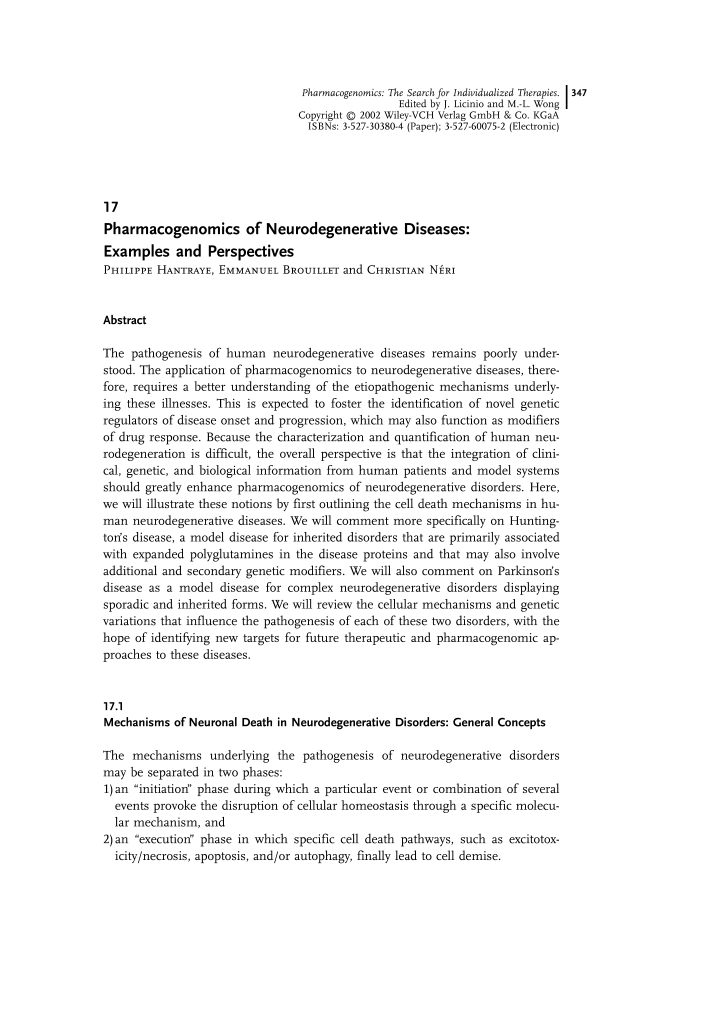
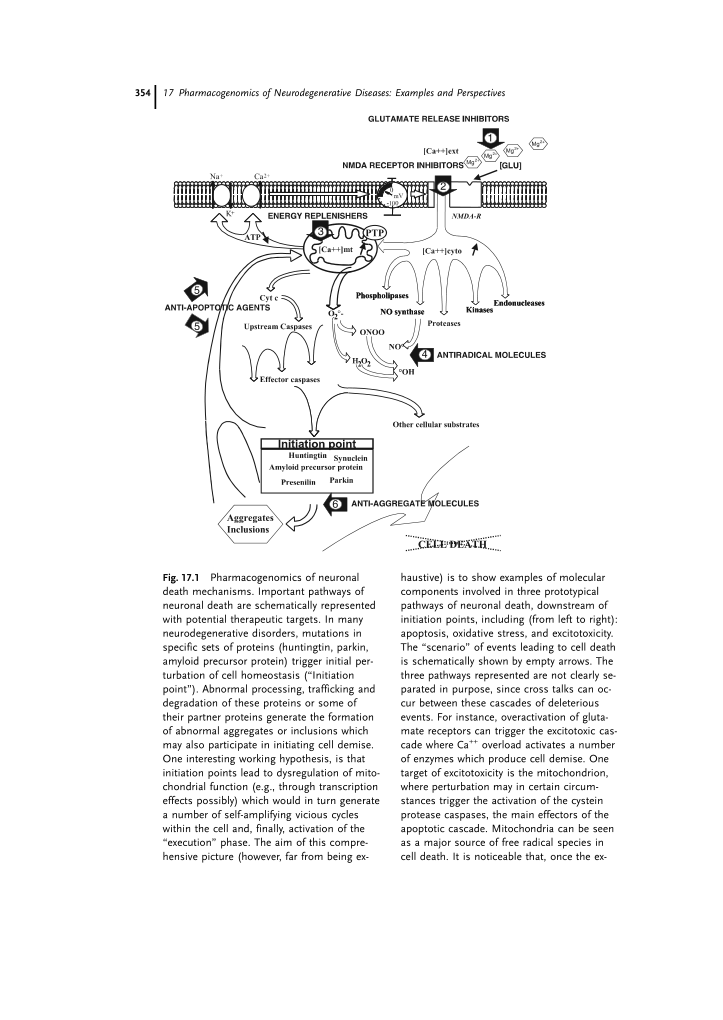
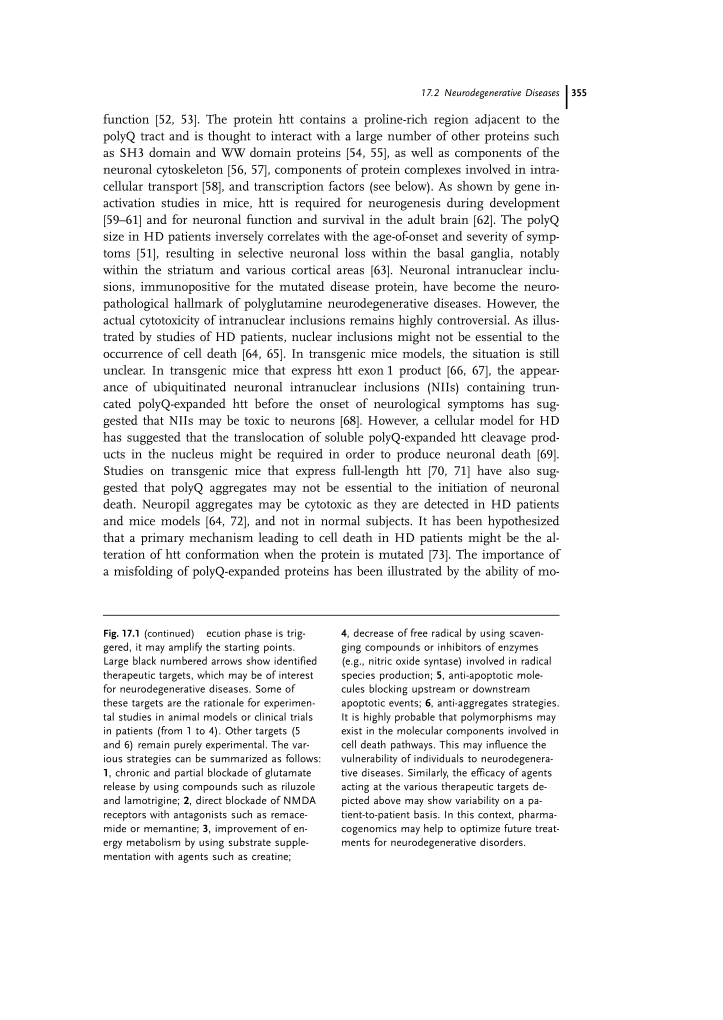
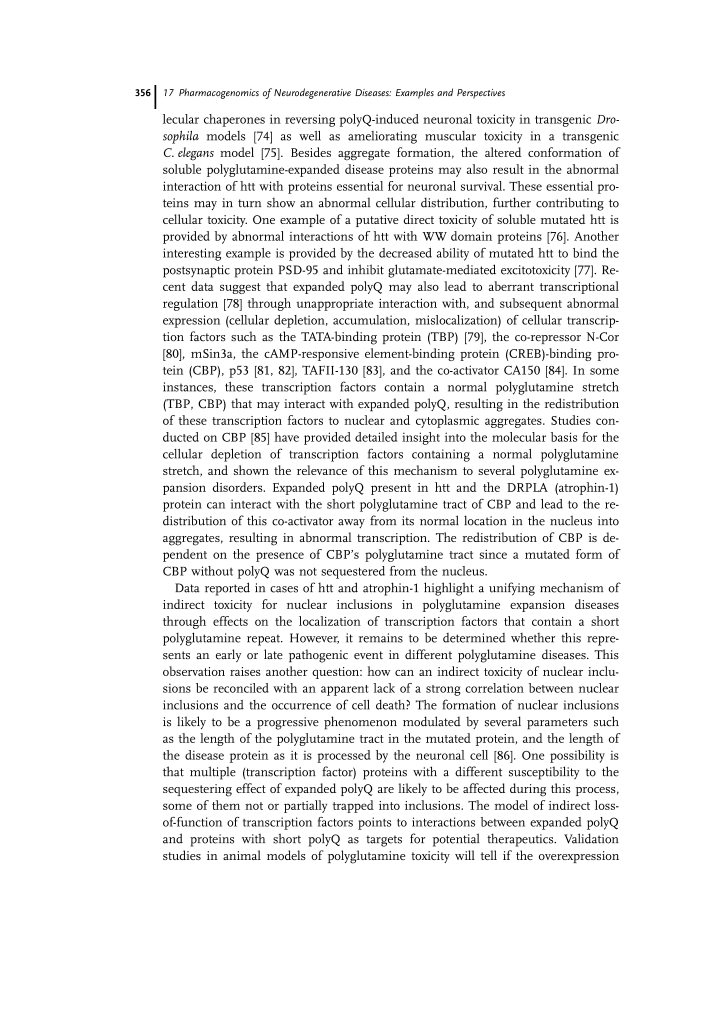
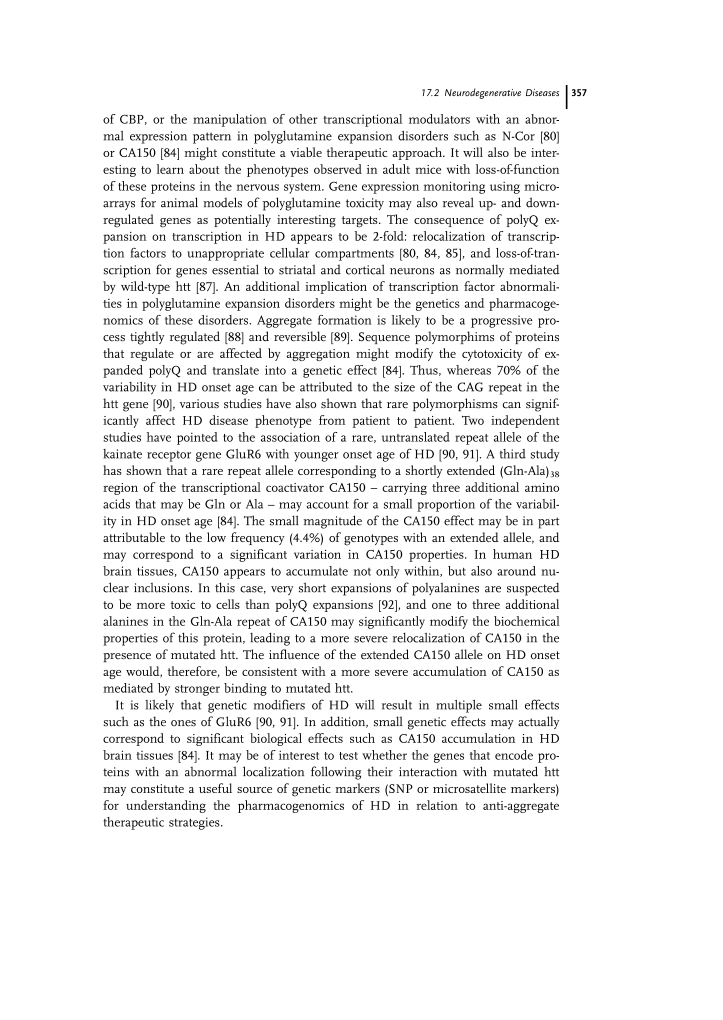
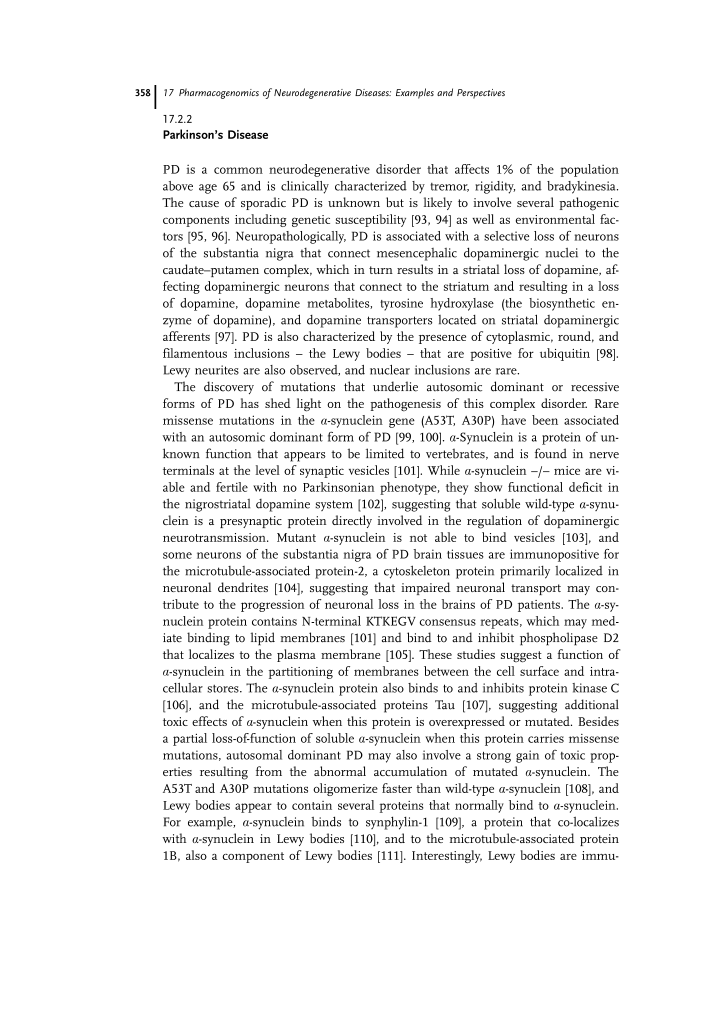
Néri et al. split pathogenesis into an "initiation" phase (a trigger disrupts homeostasis) and an "execution" phase (cell-death pathways finish the neuron).
| Mechanism | Gene examples |
|---|---|
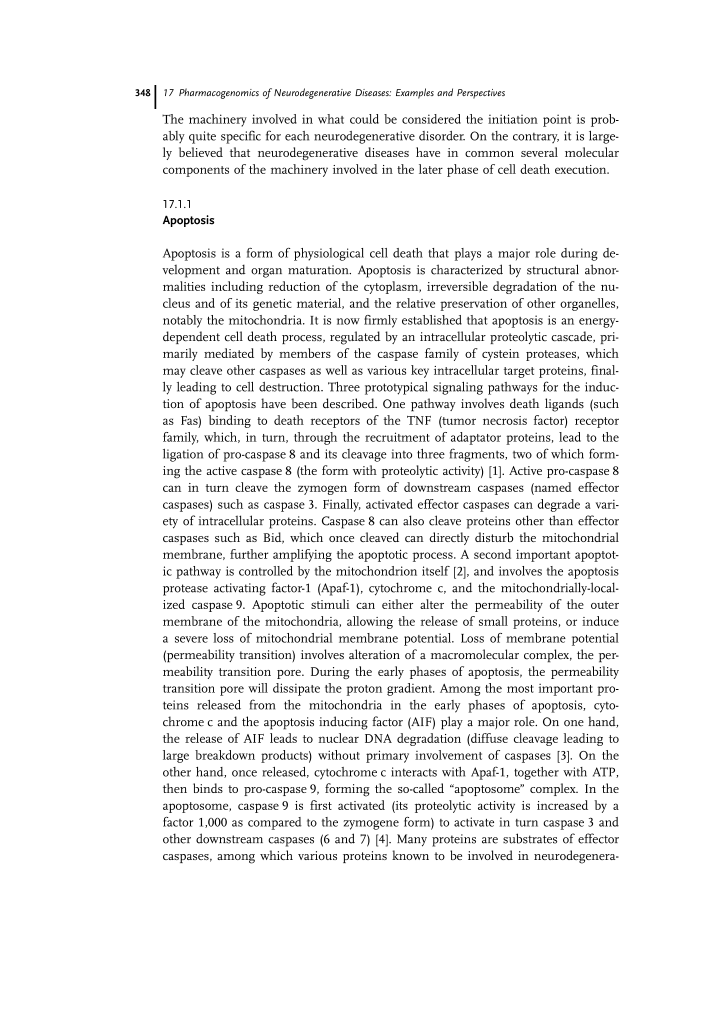
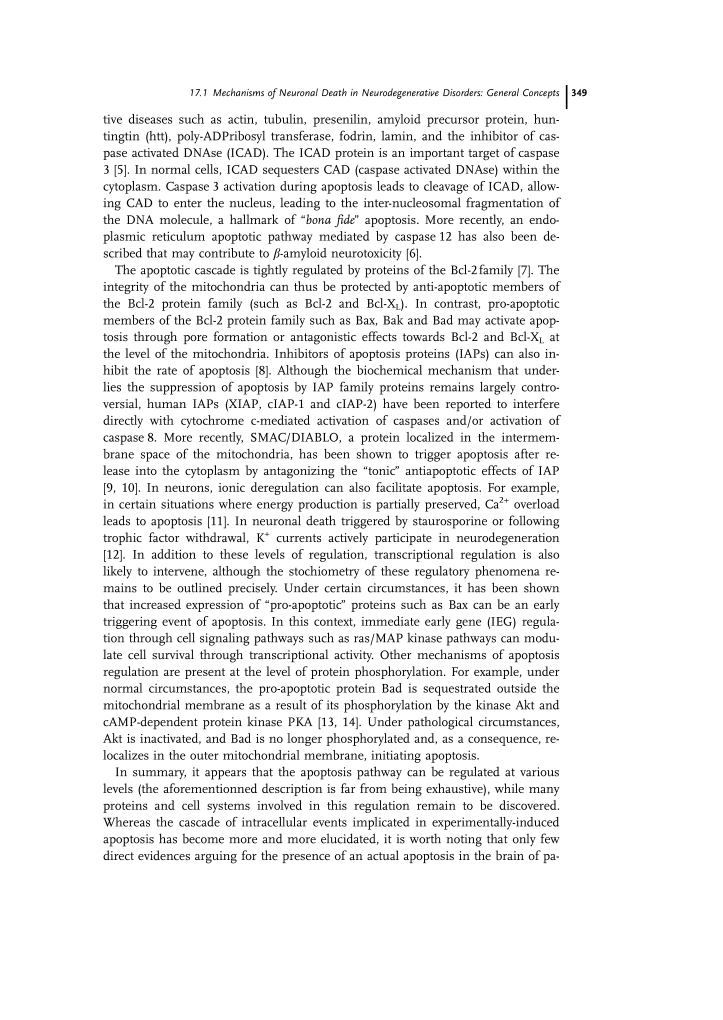
| Apoptosis (shrinkage, chromatin condensation, blebbing) | CASP3, CASP8, CASP9 |
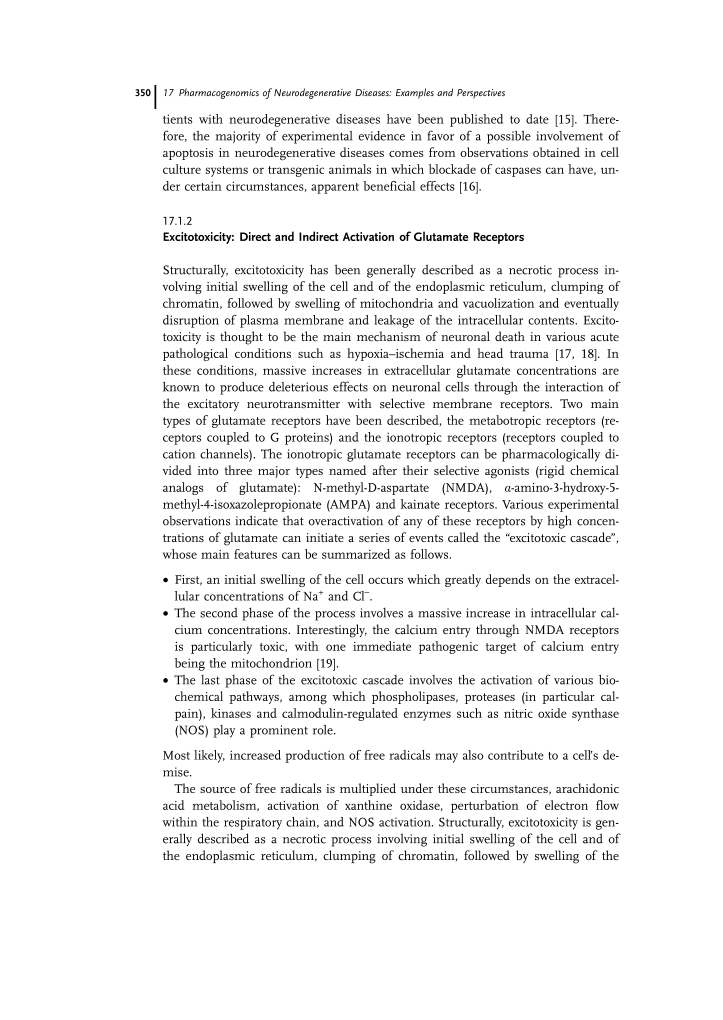
| Excitotoxicity (glutamate → Ca²⁺ influx) | GRIN2A, GRIN2B |
| Oxidative stress (ROS imbalance) | SOD2, CAT, GPX1 |
| Mitochondrial dysfunction | mitochondrial DNA variants |
| Proteostasis / aggregation | APP, Tau (MAPT) |
| Neuroinflammation | TNF, IL1B |
| Autophagy dysregulation | ATG5, ATG7 |
| Ca²⁺ dysregulation / neurotrophic loss | CACNA1C, CACNB2, Trk receptors, BDNF |
Flowchart — Neurodegeneration & pharmacogenomic targets
flowchart TD
  INIT["INITIATION phase: trigger disrupts homeostasis"] --> EXEC["EXECUTION phase: cell-death pathways"]
  EXEC --> AP["Apoptosis (CASP3/8/9)"]
  EXEC --> EX["Excitotoxicity: glutamate, Ca2+ influx (GRIN2A/B)"]
  EXEC --> OX["Oxidative stress (SOD2, CAT, GPX1)"]
  EXEC --> MI["Mitochondrial dysfunction (mtDNA)"]
  EXEC --> PR["Protein aggregation (APP, Tau)"]
  EXEC --> IN["Neuroinflammation (TNF, IL1B)"]
  EXEC --> AU["Autophagy dysregulation (ATG5/7)"]
  AP --> DEATH["Neuronal death"]
  EX --> DEATH
  OX --> DEATH
  MI --> DEATH
  PR --> DEATH
  IN --> DEATH
  AU --> DEATH
  DEATH --> PGX["Pharmacogenomic target: gene variant → tailored drug & dose"]
Perspectives (5-mark bullet points)
- Personalised medicine — tailor drug/dose to genetic profile for max efficacy, min ADRs.
- Early detection & intervention — identify high-risk genotypes, slow progression.
- Drug development / trial design — stratify participants → efficient trials.
- Ethical & privacy — consent, data privacy, stigma.
- Multi-omics integration — genomics + transcriptomics + proteomics + metabolomics.
3 · Psychiatric Pharmacogenetics — Schizophrenia Part B fav
Core notes
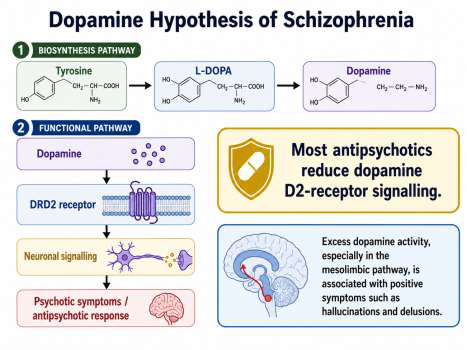
- Schizophrenia affects ~1% worldwide; early onset; ~10% suicide. Dopamine hypothesis: overactivity at dopaminergic synapses (esp. mesolimbic) causes positive symptoms. Serotonin also contributes.
- Typical antipsychotics (chlorpromazine 1952, haloperidol): high D2 affinity; binding potency ∝ clinical potency; more EPS.
- Clozapine = prototype atypical: preferential binding to 5-HT2 and D4 over D2; fast dissociation from D2; effective in up to 60% of treatment-refractory patients; fewer EPS.
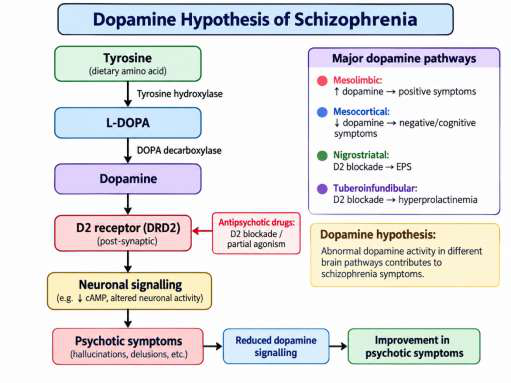
The four dopamine pathways 2-mark gold
| Pathway | Change / effect |
|---|---|
| Mesolimbic | ↑ dopamine → positive symptoms (hallucinations, delusions) |
| Mesocortical | ↓ dopamine → negative & cognitive symptoms |
| Nigrostriatal | D2 blockade → EPS (extrapyramidal side effects) |
| Tuberoinfundibular | D2 blockade → hyperprolactinaemia |
Pharmacogenetics of clozapine — the exam facts
| Aspect | Gene / marker | Effect |
|---|---|---|
| Response (PD) | 5-HT2A His452Tyr (HTR2A) | Predicts clozapine non-response |
| Metabolism (PK) | CYP1A2 | Main metaboliser; induced by smoking, inhibited by fluvoxamine/caffeine. CYP2D6 = minor. |
| Tardive dyskinesia | DRD3 Ser9Gly | Replicated association with TD (also 5-HT2A, CYP1A2 studied) |
| Weight gain | 5-HT2C (HTR2C), ADRB3, TNF | 5-HT2C antagonism → appetite ↑ → weight gain/metabolic effects |
| Serious ADR | — | Agranulocytosis (~0.38%) → needs regular blood monitoring |
Flowchart — Clozapine pharmacogenetics
flowchart TD
  CLO["Clozapine (atypical)"] --> PD["Pharmacodynamics: prefers 5-HT2 & D4 over D2"]
  CLO --> PK["Pharmacokinetics: metabolised by CYP1A2"]
  PK --> SMOKE["Smoking induces CYP1A2 → ↓ levels"]
  PK --> FLUV["Fluvoxamine/caffeine inhibit → ↑ levels"]
  PD --> RESP{Response?}
  RESP -->|5-HT2A His452Tyr| NR["Predicts non-response"]
  RESP -->|responder| EFF["Up to 60% refractory patients improve"]
  CLO --> AE["Adverse effects"]
  AE --> AG["Agranulocytosis ~0.38% (monitor CBC)"]
  AE --> TD["Tardive dyskinesia → DRD3 Ser9Gly"]
  AE --> WG["Weight gain → 5-HT2C (HTR2C)"]
4 · Major Depression & Antidepressant Treatment
Core notes
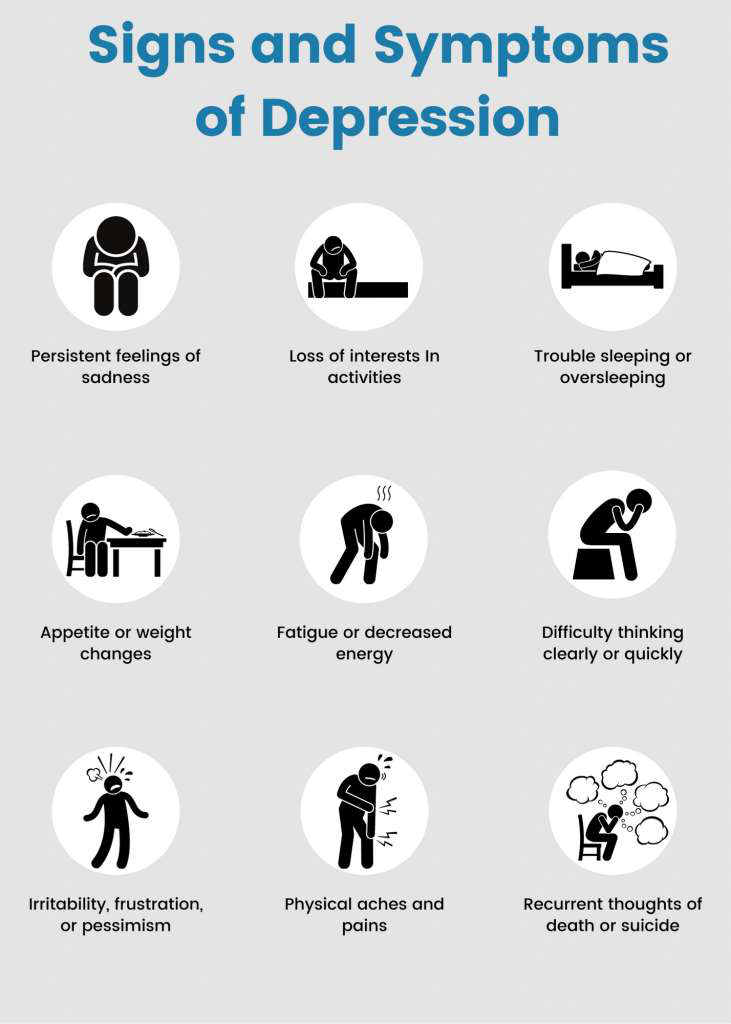
- Only 60–70% respond to any given antidepressant; response takes weeks; each failed trial cuts odds of response by ~15–20% — motivates pharmacogenomic prediction.
- Genetic factors act on metabolism, receptors, transporters and CNS elements.
| Category | Gene / marker | Relevance |
|---|---|---|
| Metabolism | CYP450 (esp. CYP2D6, CYP2C19) | Rate of antidepressant breakdown; CYP2D6 poor metaboliser → toxicity (fatal fluoxetine case reported) |
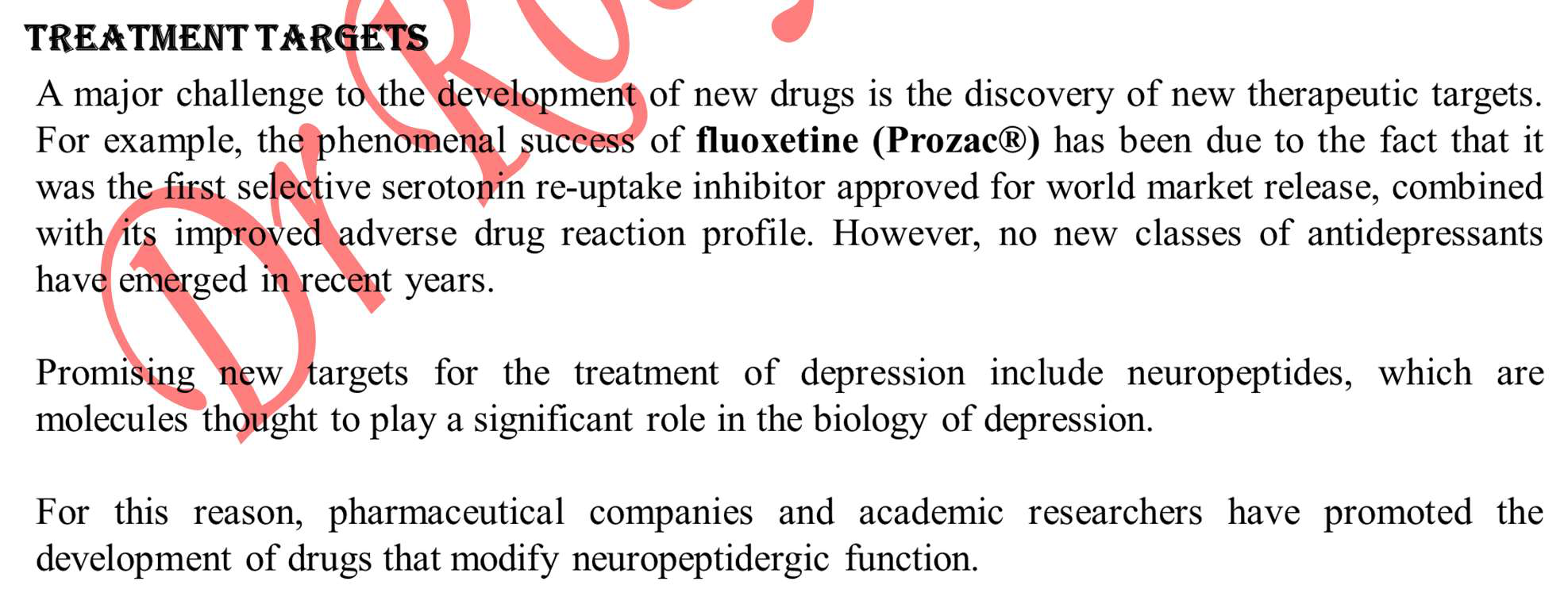
| Transporter | Serotonin transporter 5-HTT / SLC6A4 — 5-HTTLPR promoter (long l / short s) | Target of SSRIs. Long allele (l/l or l/s) → better SSRI response (fluvoxamine, paroxetine). Short = ↓ expression. |
| Also NET | Norepinephrine transporter | Target of SNRIs/TCAs |
| Receptors | 5-HT2A, 5-HT2C (HTR2A/2C) | Modulate response to serotonergic drugs |
Flowchart — Genotype-guided antidepressant selection
flowchart TD
  PT["Patient with major depression"] --> TEST["Pharmacogenomic test"]
  TEST --> MET["CYP2D6 / CYP2C19 metaboliser status"]
  TEST --> TRN["5-HTTLPR (SLC6A4) long/short allele"]
  TEST --> REC["5-HT2A / 5-HT2C receptor variants"]
  MET -->|poor metaboliser| LOW["↓ dose / avoid drug (toxicity risk)"]
  MET -->|ultra-rapid| HIGH["↑ dose / alternative"]
  TRN -->|long allele l/l or l/s| GOOD["Better SSRI response"]
  TRN -->|short allele s/s| POOR["↓ SSRI response → consider alternative"]
  LOW --> PLAN["Individualised antidepressant plan"]
  HIGH --> PLAN
  GOOD --> PLAN
  POOR --> PLAN
  REC --> PLAN
5 · Pharmacogenomics of Bipolar Disorder
- Types: Bipolar I (≥1 manic episode), Bipolar II (major depressive + hypomanic, no mania), Cyclothymic. High heritability ~60–80%; polygenic; shares risk with schizophrenia & MDD.
- Treatment: mood stabilisers (lithium, valproate, carbamazepine, lamotrigine), atypical antipsychotics, cautious antidepressants (can trigger mania → give with a stabiliser).
| Gene | Function / link |
|---|---|
| CACNA1C | Ca²⁺ channel subunit — most-studied variant; neuronal excitability/mood |
| ANK3 | Ankyrin-G; neuronal membrane structure |
| DAOA (G72) | Glutamate signalling |
| COMT | Dopamine breakdown |
| BDNF | Neuroplasticity, stress response |
| NRG1, DTNBP1 | Neural development / synaptic function |
| 5-HTTLPR | Serotonin transporter regulation |
Flowchart — Bipolar pharmacogenomics
flowchart TD
  BP["Bipolar disorder (heritability 60-80%, polygenic)"] --> GENES["Risk genes"]
  GENES --> G1["CACNA1C, ANK3 (ion channel/structure)"]
  GENES --> G2["DAOA, NRG1, DTNBP1 (glutamate/synapse)"]
  GENES --> G3["COMT, BDNF, 5-HTTLPR (neurotransmitter/plasticity)"]
  BP --> RX["Pharmacogenomic-guided therapy"]
  RX --> LI["Predict lithium response & side effects"]
  RX --> AD["Flag antidepressant-induced mania risk"]
  RX --> ADR["Predict adverse drug reactions"]
  LI --> PLAN["Personalised mood-stabiliser plan"]
  AD --> PLAN
  ADR --> PLAN
Numericals — every formula + worked example Part B: 5 marks each
Always write: formula → substitution → answer with unit → one-line interpretation. The interpretation line is worth marks.
Decision flowchart — which formula?
flowchart TD
  Q["Read the question"] --> A{What is asked?}
  A -->|safety margin, TD50/ED50| TI["Therapeutic Index"]
  A -->|dose from genotype| DOSE["Metabolizer Score / Adjusted Dose"]
  A -->|will drug work?| EFF["Effectiveness Score"]
  A -->|risk in cohort study| RR["Relative Risk / ARR / NNT"]
  A -->|case-control association| OR["Odds Ratio"]
  A -->|survival over time| HR["Hazard Ratio"]
  A -->|adjusted for confounders| ADJ["Adjusted Risk Ratio"]
1. Therapeutic Index (TI)
TD₅₀/LD₅₀ = dose toxic/lethal in 50%; ED₅₀ = dose effective in 50%.
TI = 200 / 20 = 10.
Interpretation: TI = 10 is a wide safety margin (drug relatively safe). A low/narrow TI (e.g. 2–3) means toxic and effective doses are close → careful dosing & monitoring. In pharmacogenomics, a CYP2C9 poor metaboliser on warfarin clears drug slowly → higher exposure → effectively narrows the TI.
2. Metabolizer Score & Dosing Adjustment
Adjusted Dose = 100 × (0.5 / 2.0) = 25 mg.
Interpretation: a poor metaboliser needs a reduced dose to avoid accumulation/toxicity.
3. Effectiveness Score
Effectiveness Score = 6.5 × 0.75 = 4.875.
Interpret (ii): minimum for a positive drug response = 6. Since 4.875 < 6, the patient is predicted NOT to respond well → should not be prescribed this drug; choose an alternative.
4. Relative Risk (RR), ARR & NNT/NNH cohort study
RR = 0.25 / 0.05 = 5 → carriers have 5× the risk of the adverse event.
ARR = 0.25 − 0.05 = 0.20 (20%); NNH = 1/0.20 = 5 → 1 extra harm per 5 carriers exposed.
5. Odds Ratio (OR) case-control
| Variant (exposed) | No variant | |
|---|---|---|
| Cases (ADR) | a = 60 | c = 40 |
| Controls | b = 30 | d = 70 |
Interpretation: variant carriers have 3.5× the odds of the outcome. OR > 1 = positive association, = 1 no association, < 1 protective.
6. Hazard Ratio (HR) survival / time-to-event
7. Adjusted Risk Ratio confounding
Example: crude RR = 2.5; after adjusting for smoking, adjusted RR = 1.8 → part of the apparent effect was confounding, but a real association remains.
Part A question bank — 2 marks, answer ALL 40+ Qs
Every likely 2-mark question with a crisp model answer. Tap to reveal.
Which enzyme does hydroxyurea inhibit, and what is the consequence? 2
How does hydroxyurea benefit sickle cell disease? 2
What is the molecular defect in HbS? 2
Are sickle cell disease and sickle cell trait identical? Justify. 2
Differentiate HbA and HbF in globin composition and role. 2
Why are endothelial cells a target in sickle cell therapy? 2
Name the gene most associated with Alzheimer's risk and drug response. 2
Which genes matter in Parkinson's pharmacogenomics? 2
Which gene is linked to familial ALS? 2
Which gene causes Huntington's disease? 2
State the two phases of neurodegeneration. 2
Name two genes involved in excitotoxicity and oxidative stress. 2
State the dopamine hypothesis of schizophrenia. 2
Match each dopamine pathway to its effect. 2
Why is clozapine "atypical"? 2
Which enzyme metabolises clozapine, and what alters it? 2
Which polymorphism predicts clozapine non-response? 2
Which polymorphism is linked to tardive dyskinesia? 2
Which receptor gene is implicated in antipsychotic-induced weight gain? 2
What serious blood ADR is associated with clozapine? 2
What % of patients respond to any given antidepressant? 2
Which gene is the key target for SSRI pharmacogenomics? 2
Which CYP enzyme is most important for antidepressant metabolism? 2
Give the heritability of bipolar disorder and its inheritance pattern. 2
Name two genes associated with bipolar disorder. 2
Why are antidepressants used cautiously in bipolar disorder? 2
Write the Therapeutic Index formula and interpret a low value. 2
Write the Odds Ratio formula for a 2×2 table. 2
Differentiate Relative Risk and Odds Ratio. 2
Define Hazard Ratio. 2
What is an adjusted risk ratio? 2
Define pharmacogenomics vs pharmacogenetics. 2
What is the Metabolizer Score used for? 2
Give the dosing-adjustment formula. 2
List the pharmacogenomic mechanisms of neuronal death (any four). 2
Which gene influences MS disease-modifying therapy response? 2
Name two atypical antipsychotics and their receptor action. 2
Part B question bank — 15 marks, answer ANY TWO essay + numerical
Explain the pharmacogenomics of endothelial cells with relevance to hydroxyurea in treating sickle cell disease (5) + Effectiveness-Score numerical (5+5). 15
(b)(i) (5): Effectiveness Score = Effectiveness Genotype Score × Genotype Multiplier = 6.5 × 0.75 = 4.875.
(b)(ii) (5): Minimum for positive response = 6. Since 4.875 < 6, the patient is predicted not to respond → should not be prescribed this drug; select an alternative or test another genotype.
Discuss the role of pharmacogenomics in managing neurodegenerative and psychiatric disorders; show how genetic profiling predicts outcomes in schizophrenia OR bipolar disorder (5+5+5). 15
(ii) Psychiatric — general (5): Predicts response and ADRs of psychotropics; merges pharmacology + genetics for "right drug, right patient." Reduces trial-and-error, improves efficacy, cuts serious ADRs.
(iii) Schizophrenia example (5): Clozapine metabolised by CYP1A2 (smoking induces). 5-HT2A His452Tyr predicts non-response; DRD3 Ser9Gly predicts tardive dyskinesia; 5-HT2C predicts weight gain; monitor for agranulocytosis. So genotyping predicts both efficacy and side-effect risk. (Or bipolar: CACNA1C/ANK3 risk, lithium-response markers, antidepressant-induced mania risk.)
Therapeutic Index numerical (5) + role of a metabolising enzyme in pharmacogenomics (10). 15
(b) Enzyme role (10): Take CYP1A2 & clozapine (or CYP2D6 & antidepressants). CYP enzymes metabolise the drug; polymorphisms create poor/intermediate/extensive/ultra-rapid metabolisers. Poor metabolisers → accumulation → toxicity (need ↓ dose); ultra-rapid → sub-therapeutic levels (need ↑ dose/alternative). Environmental modifiers (smoking induces CYP1A2; fluvoxamine inhibits) further shift levels. Hence genotype-guided dosing improves efficacy and safety.
Describe the mechanisms of neuronal death in neurodegenerative disorders and their pharmacogenomic targets (15). 15
Explain the dopamine and serotonin hypotheses of schizophrenia and the pharmacogenetics of clozapine response (15). 15
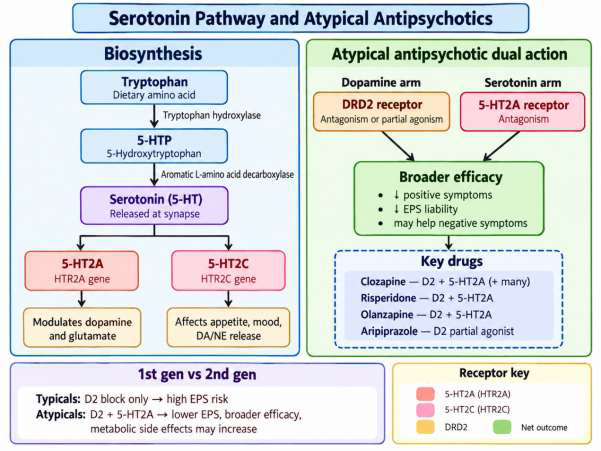
Serotonin/atypicals: Tryptophan →(tryptophan hydroxylase) 5-HTP → 5-HT → 5-HT2A (HTR2A)/5-HT2C (HTR2C). Atypicals add 5-HT2A antagonism to D2 action → broader efficacy, lower EPS.
Clozapine pharmacogenetics: PK — CYP1A2 (smoking induces, fluvoxamine inhibits). PD/response — 5-HT2A His452Tyr predicts non-response. ADRs — DRD3 Ser9Gly (TD), 5-HT2C (weight gain), agranulocytosis (~0.38%, monitor CBC). Conclusion: genotyping predicts efficacy + safety.
Discuss the pharmacogenomics of major depression and antidepressant treatment (15). 15
Odds Ratio / Relative Risk numerical (5) + case-control vs cohort study design in pharmacogenomics (10). 15
(b) Study designs (10): Case-control (retrospective) starts from outcome (cases vs controls) and looks back at genotype → use OR; efficient for rare outcomes but prone to recall/selection bias. Cohort (prospective) starts from exposure (genotype) and follows for outcomes → use RR/incidence; stronger causal inference but slower/costly. Adjust for confounders with multivariable models → adjusted risk ratio. Relate to pharmacogenomic association studies (candidate-gene vs genome-wide).
Metabolizer-score dosing numerical (5) + personalised medicine in neurodegenerative disease (10). 15
(b) Theory (10): Tailor drug/dose to genotype in AD (APOE, CYP2D6/3A4/5), PD (LRRK2, COMT/levodopa), ALS (SOD1), HD (HTT), MS (HLA-DRB1). Benefits: early detection of high-risk genotypes, efficient trial stratification, multi-omics integration; challenges: incomplete knowledge, ethics/privacy/stigma.
Solved past paper — CIA-II, September 2025 closest predictor
The exact previous paper, fully answered. Some Part A items (statins, thiopurines, asthma, BBB) come from the wider unit — learn these one-liners too, they recur.
Part A — answer ALL (2 × 10 = 20)
Q1 & Q5. Primary enzyme target of statins? Which gene affects statin metabolism/efficacy? 2
Q2. Are sickle cell disease and sickle cell trait identical? Justify. 2
Q3. What happens if a TPMT-deficient person receives standard thiopurine doses? 2
Q4. Name a key protein of the BBB and its pharmacogenomic relevance. 2
Q6. How do NUDT15 variants influence thiopurine therapy? 2
Q7. Significance of the SLCO1B1 gene in statin pharmacogenomics. 2
Q8. Name any two thiopurine derivatives used clinically. 2
Q9. Differentiate HbA1 and HbF in composition and physiological role. 2
Q10. Target of beta-agonists in asthma? How does ADRB2 variation affect response? 2
Part B — answer ANY TWO (15 × 2 = 30)
Q11. (a) Therapeutic Index numerical (5) (b) Role of TPMT in thiopurine metabolism + cancer pharmacogenomics (10). 15
(b) (10): TPMT (thiopurine S-methyltransferase) inactivates thiopurines (azathioprine, 6-MP, 6-thioguanine) by S-methylation, competing with the pathway that forms cytotoxic thioguanine nucleotides (TGNs). Clinical implications: TPMT-deficient/low-activity patients given standard doses over-accumulate TGNs → severe, potentially fatal myelosuppression; they need major dose reduction, while normal metabolisers get full dose. In cancer (e.g. childhood ALL): TPMT genotyping before 6-MP is one of the earliest, best-established clinical pharmacogenomic tests — it individualises dose to maximise anti-leukaemic effect while avoiding life-threatening toxicity. (NUDT15 testing is now added, especially in Asian patients.)
Q12. (a) Endothelial/hydroxyurea in sickle cell (5) (b) Effectiveness-Score numerical (5+5). 15
(b)(i) (5): Effectiveness Score = 6.5 × 0.75 = 4.875.
(b)(ii) (5): Minimum for positive response = 6; 4.875 < 6 → predicted poor responder → do not prescribe this drug; consider an alternative.
Q13. Role of pharmacogenomics in neurodegenerative & psychiatric disorders; genetic profiling in schizophrenia OR bipolar (5+5+5). 15
(ii) Psychiatric — general (5): Predicts response & ADRs of psychotropics; merges genetics + pharmacology for "right drug, right patient", cutting trial-and-error and serious ADRs.
(iii) Schizophrenia (5): Clozapine — CYP1A2 metabolism (smoking induces); 5-HT2A His452Tyr → non-response; DRD3 Ser9Gly → tardive dyskinesia; 5-HT2C → weight gain; monitor agranulocytosis. Or bipolar: CACNA1C/ANK3 risk genes, lithium-response markers, antidepressant-induced mania risk.
Image gallery — all diagrams & reference pages
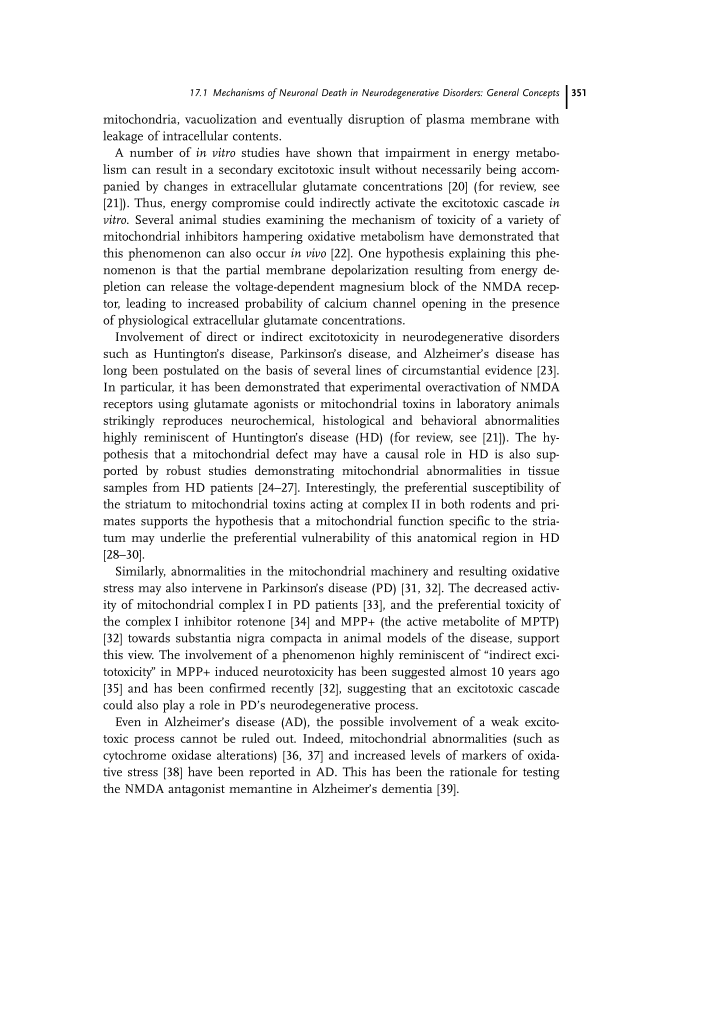
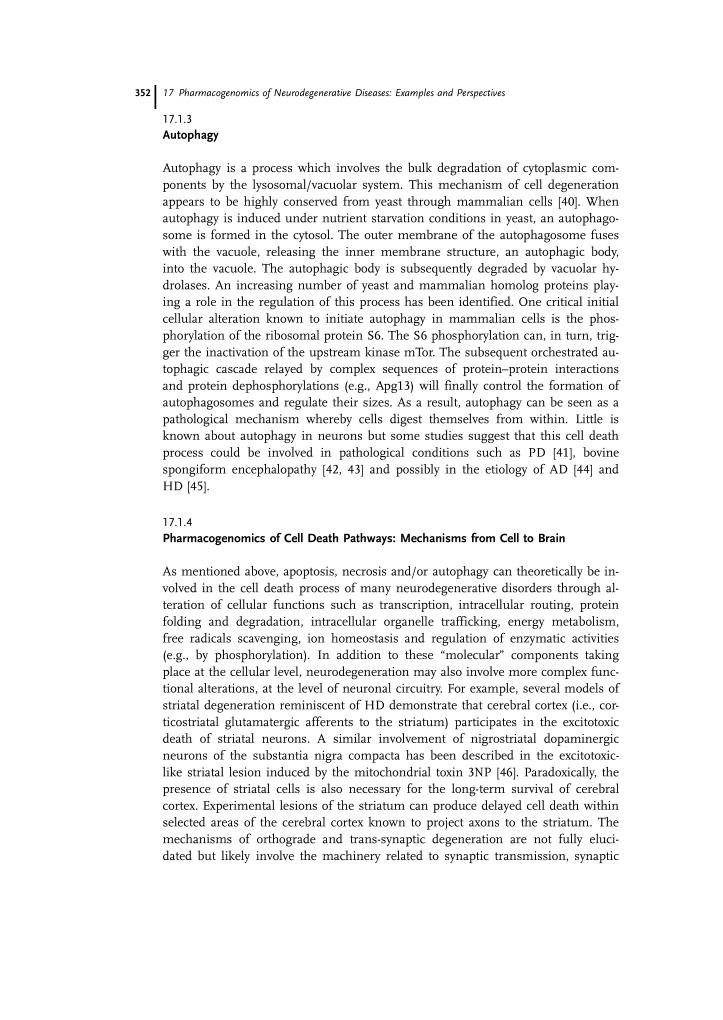
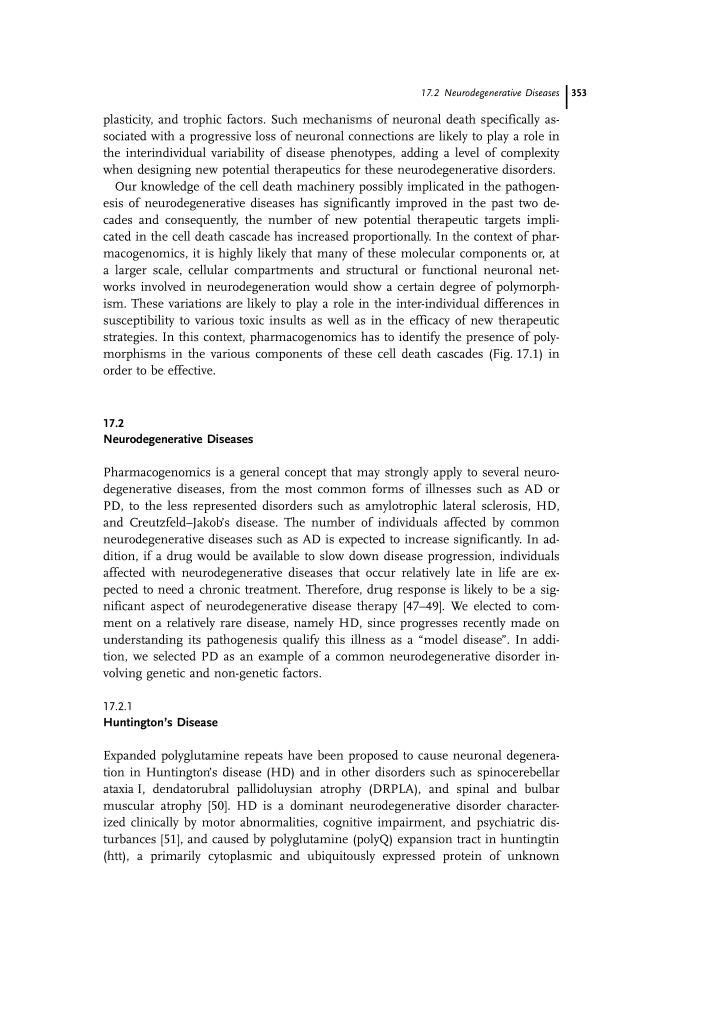
Featured diagrams appear inline above. Below: the remaining topic figures and the full scanned reference chapter (Ch 17, Neurodegenerative Diseases) for reading. Click any image to open full size.
Topic diagrams
 Dopamine synthesis
Dopamine hypothesis
Serotonin / atypicals
 Endothelial / sickle types
Hydroxyurea mechanism
 Neurodegeneration notes
 Schizophrenia figure
 Bipolar figure
 Ref Ch11 figure